5 home appliance improvement projects that offer a high ROI
home and needs

5 home appliance improvement projects that offer a high ROI

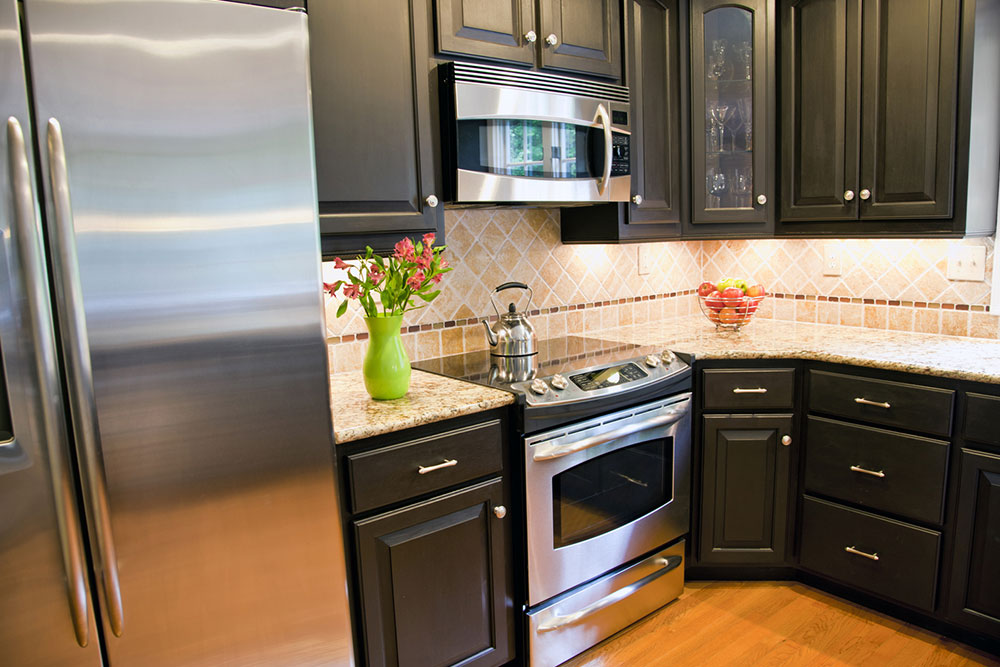
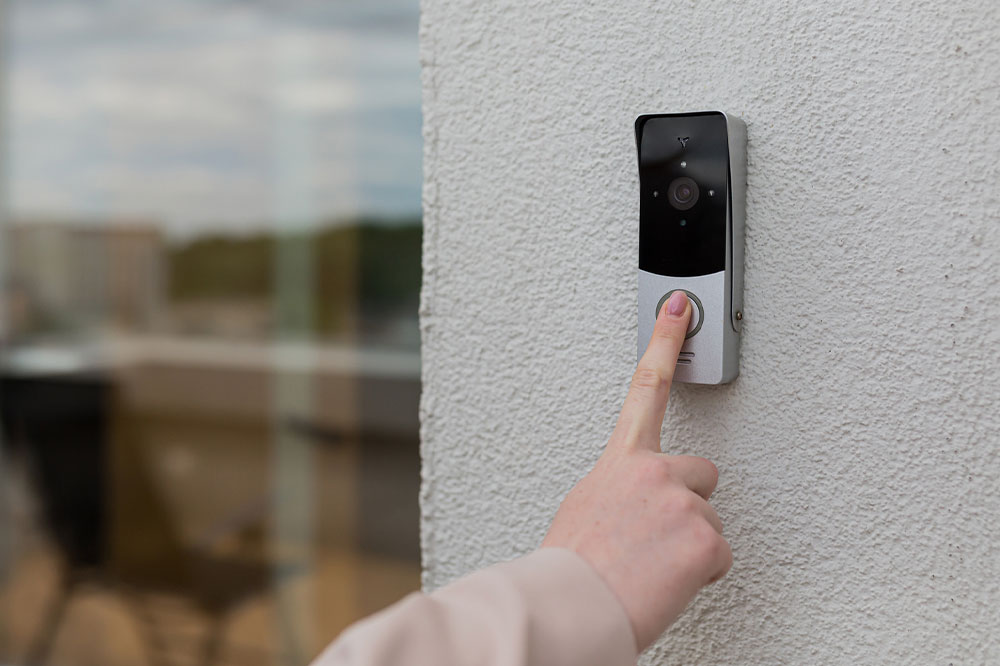
Home renovation is costly. Whether one wishes to repair the roofing or revamp certain amenities in the garden/patio, the prices keep increasing as years go by. Appliances are perhaps the most expensive to upgrade, considering one would have to change their furnaces, refrigerators, boilers, and other expensive systems. Even after doing that, the return on investment (ROI) may be low. That’s why individuals should think twice and choose the right home appliance improvement projects. Upgrading the smart home security system These days, the market has several smart home devices, such as outdoor facial recognition systems, floodlight cameras, home automation systems, and video doorbells. These devices are chiefly responsible for protecting the valuables stored in one’s home. Some smart systems can even be controlled remotely using a smartphone app. But while a smart home has several benefits, it must be upgraded regularly to keep up with the advancing technology. Individual devices must also be repaired when they break down or stop working to ensure they continue to do the job. When people repair or upgrade smart systems, they ensure their valuables and homes are safe. Improving the heating and cooling systems Heating and cooling systems typically use more energy and drive up utility costs more than other home devices. This is why many people consider saving money by installing a basic HVAC (heating, ventilation, and cooling) system, which is a big mistake.
Read More

Popular Articles

01

Afib – Types, causes, symptoms, and management

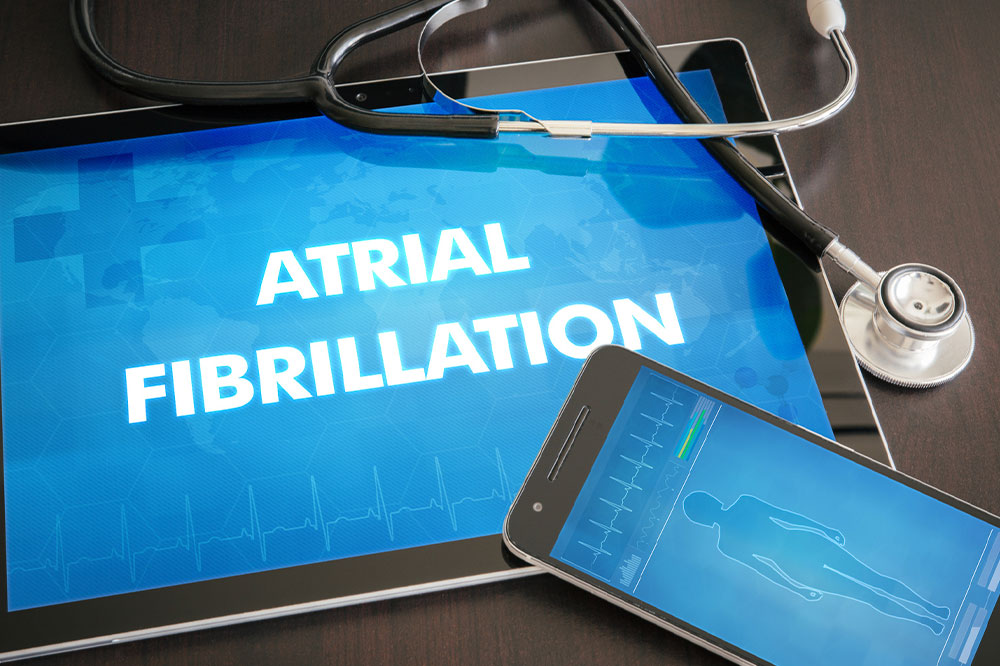
Atrial fibrillation (Afib) occurs when the usually stable and regular electrical impulses in the heart’s upper chambers (atria) begin firing chaotically, causing them to quiver or twitch (fibrillate). This can cause blood accumulation and clotting in the atria. These clots can reach the lungs through the blood vessels and cause pulmonary embolism or can reach the brain, resulting in a stroke. Let’s look at the forms, signs, and causes of Afib and its treatment options: Types of atrial fibrillation Afib can be classified as one or more of these: First-diagnosed Afib: Regardless of symptoms or the number or length of episodes, this refers to individuals diagnosed for the first time with Afib. Asymptomatic Afib: This condition is also called silent Afib, given the lack of signs or symptoms. A random electrocardiogram (ECG) could reveal asymptomatic atrial fibrillation. Paroxysmal Afib: Two or more episodes of the conditions that spontaneously resolve within a week are categorized as paroxysmal Afib. Persistent Afib: This refers to two or more episodes of atrial fibrillation that last seven days or more. Long-term persistent Afib: If the condition persists for more than a year, it is referred to as long-term persistent Afib. Permanent Afib: This is a chronic condition that cannot be managed using common treatment options.
Read More
02

How to reduce sugar intake and manage blood sugar

It is a known fact that too much sugar can be devastating for your health. When blood sugar is high, the body produces more insulin, which can lead to several health complications, including prediabetes and diabetes. So, you must cut down on sugar. Choosing healthy snacks and increasing fiber and probiotic intake can help. Moreover, regular exercise is essential. Here are a few tips to lower sugar intake and manage blood sugar levels naturally. Avoid carbohydrates A high intake of carbohydrates has a substantial impact on blood sugar levels. The body breaks down carbohydrates into sugars like glucose, which enters the blood. While the body requires glucose for energy, an excess can be harmful. As the amount of glucose increases, so does the amount of insulin produced by the body, leading to a greater risk of lifestyle disorders. Some foods with an abundance of carbs to stay away from are potato chips and donuts. Control your portion size If you are dealing with frequent blood sugar spikes, monitoring portion size can help. When you eat a large meal, blood glucose increases suddenly. To avoid this, eat smaller meals. You can opt for five to six small meals per day instead of two or three large ones.
Read More
03

11 management options to keep anxiety at bay

People with anxiety disorders regularly and excessively experience fear and panic in everyday situations. If unchecked, anxiety can impair normal functioning and degrade the quality of life. One must consult a health expert if anxiety is affecting their social life. But first, ensure that any physical health issues are ruled out before consulting them. Most individuals with anxiety disorders need medication or therapy, but coping strategies and lifestyle decisions can also be helpful. Stop and take a breath When you experience an anxiety episode, take a moment to think about what is making you feel uneasy. Usual anxiety symptoms include concerns about a recent or distant event. For example, you can worry that something wrong will happen to you in the future. Or, you can still be upset about something that has already happened in the past. But, whatever your concerns, most anxiety issues stem from not focusing on the present. The next time you feel nervous and get distracted from the present moment, sit down and take some deep breaths to reclaim your composure. You can regain balance and return to the present moment by pausing and taking a few deep breaths. If you have the time, consider advancing this practice by experimenting with breathing techniques.
Read More